2013年3月1日金曜日

作文#1:友達に旅行先を常会する

Jefferson Memorialとモールの間に桜がたくさんあります。とてもきれいです!

春休みにワシントンDCへ行きませんか。DCはアメリカの首都でとてもきれいです。面白くて無料の所がたくさんあります。地下鉄もあってニューヨークに近いです。三月にDCはあたたかいです。夏にツーリストが多いですから、夏よりしずかでいいです。桜の咲いていますから三月の色は特にきれいです。DCへ来たら、まずナショナル・モールへ行きます。博物館(はくぶつかん)やモニュメントや記念館(きねんかん)などを見に行くことが出来ます。桜の下で昼ご飯を食べることが出来ます。三月二十日から四月十七日まで桜祭りのイベントへも行くことが出来ます。食事の後でRock Creek公園へ行きます。走ったり散歩したりハイキングをしたり自転車に乗ったりすることが出来ます。モールから公園まで地下鉄に乗ります。ちょっと高いですが便利です。DCは楽しい所です!ぜひ来てください!

2013年2月20日水曜日

About Communication

ポッドキャストを作るのはちょっとこわいです。
みんなはまだ日本語がぺらぺらじゃなくて、たくさん話すことを練習します。
新しい言葉を習うと思います。私たちのトッピクはクラスのレッソンがありませんから。
難しいですが、聴衆(ちょうしゅう)のためにがんばります。みんなは面白いポッドキャストを作りたいです。

コミュニケーションは意味がたくさんあります。
でも、本やビデオやオーディオやなどを分かることができなければなりません。
日本語のコミュニケションと英語のコミュニケーションと外国のコミュニケーションは「principle」が同じです。
話しは面白くて楽しいだったら、いいです。

Edit: I originally wrote this post in Japanese before 江口先生 said that we could do it in English... so I'm just going to translate what I wrote in case we were supposed to do it in English...

Making the podcast is a bit scary.
Everyone is not fluent in Japanese yet, so we'll get a lot of speaking practice.
I think we'll learn some new words. This is because there is no class lesson to go with our topic.
Even though it's difficult, we'll do our best for the audience's sake. We all want to make an interesting podcast.

There are many meanings for communication.
However, books, videos, and audio - all must be understandable.
Japanese communication, English communication, and communication in foreign languages all have the same principle. 
If the story is interesting and fun, it is good.

私は日本語が上手じゃありませんから、このポストはちょっと変です。ごめんなさい。

2013年2月5日火曜日

好きな物3:AKB48

今晩は!今日AKB48のことを書きます。
「AKB」はアイドルグループです。グループの中で女の子が多いですから、チームがあります: Team AとTeam KとTeam BとTeam 4。そしてチームがない人は「研究生」(けんきゅうせい)と呼びます。

私の一番好きなメンバーはチームBの峯岸みなみ(みねぎしみなみ)です。いつも元気とカワイイです!

AKBの歌がとても好きです。一番好きな歌は「Choose me!」です。

「言い訳Maybe」も好きです。


AKBのPVはいつも長くてきれいです!


最近、チームAの前田敦子(まえだあつこ/あっちゃん)を卒業します。前田さんはAKBのセンターでした。毎年AKBは「シングル選抜総選挙」(せんばつそうせんきょう)をして、センターを選びます。前田さんは人気ですから、毎年勝ちます。でも、2010に大島優子(おおしまゆうこ)を勝ちました。そして大島さんは「Heavy Rotation」のセンターです。

AKBはとても面白いです!みんなさん、聞いてください!

2013年1月24日木曜日

冬休み

今寒いですね!先週は今週よりあたたかったです。
全部試験を終わると、メリーランドへ帰りました。楽しかったです。高校の友達を遊びました。たくさんパーティーへ行きました。母のおいしいな料理を食べました。The HobbitとJack Reacherを見ました。
冬休みは1月22日まで、でも14日にニューヨークへThe Daily Showを見に行きました。面白かったです!三人の友達と見ました。でも食堂は休業でしたから、友達を出る時に私はボストンへ行きました。
ボストンでタフツ大学とノーツイスタン(Northeastern)大学へ行きました。NEUの日本人部を会いました。たこ焼きを作りました。スーパーでたこを見つけませんでしたから、いかを使いました。キムチーとチョコレートも使います。おいしかったです!みんなは日本語を話していましたから、練習しました。

2012年11月17日土曜日

Literary Work: エリちゃんは犬が欲しいですよ!

 東京の中で、女の子が一人ありました。彼女の名前はエリでした。エリちゃんは8歳で小学校生でした。いつも犬が欲しかったです。でも、エリちゃんのお兄さんは動物にアレグギーがありましたから、犬を飼っていませんでした。


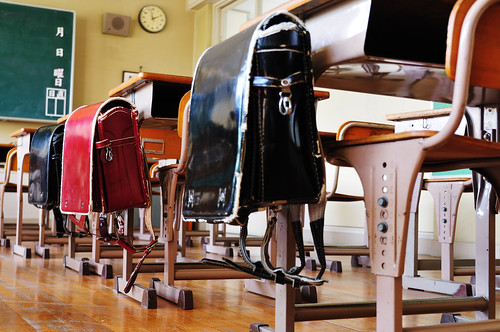
キンコンカンコン〜 夏休みが始まりました!
エリちゃんは早く歩いて帰りました。家に入ると、両親が待っていました。三ヶ月の前にお兄さんは卒業しました、そしてコロンビア大学へ勉強に行きました。


エリちゃんは「ただいま!」と言いました。お母さんは「お帰り、エリ」と言いました。「パパとママはプレゼントがあります。」
「プレゼント?私に上げます?」
「はい、エリちゃんのプレゼントです。でも、ここでありません。さぁ、車で行きましょう。」
家族は車に入りました。「目を閉めて、エリ!」


車を止めると、エリちゃんのお母さんは「今、目を開けてもいい」と言いました。
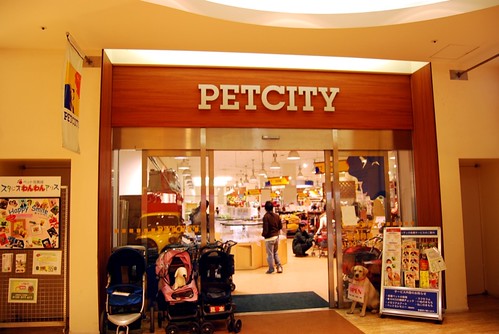
エリちゃんはびっくりしました!ペットの店に来ました。
「犬を買いに来ますね!」と言いました。両親を笑いました。

ペット屋の中で動物がたくさんいました。犬や猫やネズミや兎がいました!エリちゃんはあひるをみました!犬の所へ行きました。

   
犬を泣きました。「ワンワン!ワンワンワン!」大きいの犬は「ヲオオオオオオオン」と泣きました。エリちゃんは「ちょっとこわい!」と思いました。
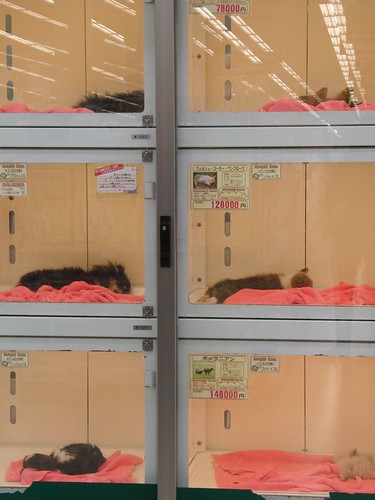
上から三段目でかわいい犬がいました。泣きませんでした。エリちゃんは「ね、ママ!」と言いました。「この犬はどう?」
「ん、いいですね。」エリちゃんの両親は店員と話しにいきました。エリちゃんは犬と遊びました。そして、エリちゃんの両親とエリちゃんとエリちゃんの新しい犬に帰りました。


-----

Explanation of katakana used:
エリ: while it is uncommon, some Japanese people are given katakana or hiragana first names
アレグギー (allergy): this is a loanword from English
キンコンカンコン: this is an onomatopoeic description of the sound of a school bell 
コロンビア大学 (Columbia University): katakana is used because Columbia is a foreign name
パパ and ママ: because Eri is a little girl, she still calls her parents papa and mama instead of moving towards using other words like 母 or 父. These are technically not Japanese words, though, so they are represented in katakana.
プレゼント (present): this is a loanword from English
ペット屋 (pet store): this is a combination of a loanword from English (pet) with the Japanese 屋 (store)
ワンワン and ヲオオオオオオオン: these are onomatopoeias for the sounds that the dogs in the shop made

The katakana used in my piece represent many of the ways katakana is used, including names, onomatopoeia/sound effects, and loanwords. I did not present an example of emphasis because it seems to be used most often in printed media that relies on appearance, such as advertisements or manga, and not in stories.


2012年10月21日日曜日

カタカナ Analysis (Final)

The two examples that I am choosing are the Kamen Rider "cider" cans and the AKB48 single 「上からマリコ」

In Japan, "cider" refers to a soft drink similar to Sprite (according to Wikipedia). Drinks like cider and ramune seem to have been introduced to Japan in the late 1800s1. This makes the use of katakana seem appropriate, as the style of drink was foreign, as opposed to creating a new Japanese word for it. Because it is not a necessity or something that you might use frequently (ie. 冷蔵庫 for refrigerator), and because it does not have an already existing Japanese analogue product (ie. 車 for car), using an English word in katakana would communicate that the drink was new and foreign-influenced to consumers. An alternative might have been to use kanji with readings that came out to サイダー (as Coca-Cola did in China) but that seems more commonly used in Chinese, where there is no option to use a writing system that is purely syllabic.

As for マリコ, I assume that since she is a decently well-known, but not the most famous member of the singing group, AKB48, people would not recognize her as 麻里子. Also, while the song is ostensibly about Mariko, since she won the contest2, for pop music's sake it is better that is not specifically about her and more generally about girls (or a girl) named Mariko in general. This is common in American music as well - even if a song is clearly about a person, generally they are given some kind of anonymity or generalization to make it less specific. An example is Hey There Delilah, which is written about a certain person but does not feature any personally identifying information about her (other than her location in New York City). The song does reference similar facts about Mariko (a point of the lyrics seems to be her age3, as she is older than the other active members of AKB48), but otherwise it could be about anyone. Katakana allows 上からマリコ to be about a general, fictional girl named Mariko rather than Shinoda Mariko herself.

One of the textbooks claimed that katakana usage with loanwords makes things look foreign and thus modern or cool. Whether this is really true I'm not sure but I do think there has been some movement towards using katakana more liberally in things targeted at young people, such as in magazines like egg and Myojo. In these magazines, katakana use isn't just because of the subject area, but is a conscious editorial decision for the interviews and photo spreads. Because of this, people may assume there's a certain youthful connotation in using katakana instead of hiragana or kanji in certain situations. (Sometimes this is also just to avoid using kanji that young people don't recognize, which is apparently a trend - people don't have to know as much kanji because they are mostly writing it on computers or on phones.) This probably backfires sometimes (just as overuse of "chatspeak" by adults or marketers in English usually turns off the target audience of teenagers) but is now embedded in the culture.

I think katakana is also important for emphasis. In English, to emphasize something we may deliberately use only lowercase letters or ALL CAPS a certain section of writing. This could be a kind of equivalent. Often times I see a word in katakana and also in large print and with sparkles or some other pattern around it in a magazine or on TV, which would also help to emphasize the text.

But the textbooks all designated katakana as the writing system for loanwords, which is probably where most foreigners will encounter it the most - the first time they may use it is to write their name or home country's name. Others mentioned the use for onomatopoeia, but a Japanese learner is less likely to see this unless they are a more active media user, reading or watching Japanese programs, and they are even less likely to use it in this context. Thus I think while the textbooks may not represent the full extent of katakana usage, they are doing a decent job of explaining the most important uses for their audience.

2012年10月6日土曜日

カタカナのAnalysis


  1. Choose at least 2 katakana words/expressions that you found and think about what kinds of effects / purposes there may be in these words/expressions writing in katakana instead of hiragana or kanji.
  2. Also, think why there are such effects/purposes.
  3. Think about why each textbook is different in explaining katakana, and why the textbooks explained katakana in the manners that they did.
The two examples that I am choosing are the Kamen Rider "cider" cans and the AKB48 single 「上からマリコ」In Japan, "cider" refers to a soft drink similar to Sprite (according to Wikipedia). Drinks like cider seem to have been introduced to Japan in the late 1800s by Westerners. This makes the use of katakana seem appropriate, as the style of drink was foreign, as opposed to creating a new Japanese word for it. Because it is not a necessity or something that you might use frequently (ie. 冷蔵庫 for refrigerator), and because it does not have an already existing Japanese analogue product (ie. 車 for car), using an English word in katakana would communicate that the drink was new and foreign influenced to consumers. Alternately, they could have used kanji with readings that came out to サイダー (as Coca-Cola did in China) but that seems more commonly used in Chinese, where there is no option to use a writing system that is purely syllabic. As for マリコ, I assume that since she is a decently well-known member of a famous singing group, AKBのマリコ would be more recognizable than 麻里子. Also, while the song is ostensibly about Mariko, since she won the contest, for pop music's sake it is better that is not specifically about her and more generally about girls named Mariko in general. This is common in American music as well - even if a song is clearly about a person, generally they are given some kind of anonymity or generalization to make it less specific. An example is Hey There Delilah, which is written about a certain person but does not feature overt references to her specifically. Katakana allows 上からマリコ to be about a general, fictional girl named Mariko rather than Shinoda Mariko herself.

One of the textbooks claimed that katakana usage with loanwords makes things look foreign and thus modern or cool. Whether this is really true I'm not sure but I do think there has been some movement towards using katakana more liberally in things targeted at young people, like certain magazines. Because of this, people may assume there's a certain youthful connotation in using katakana instead of hiragana or kanji in certain situations. This probably backfires sometimes (just as overuse of "chatspeak" by adults or marketers in English usually turns off the target audience of teenagers) but is now embedded in the culture. I think katakana is also important for emphasis. In English, to emphasize something we may deliberately use only lowercase letters or ALL CAPS a certain section of writing. This could be a kind of equivalent. Often times I see a word in katakana and also in large print and with sparkles or some other pattern around it in a magazine or on TV. The textbooks were all designated katakana as the writing system for loanwords, which is probably where most foreigners will encounter it the most - the first time they may use it is to write their name or home country's name. Others mentioned the use for onomatopoeia, but one is less likely to see this unless they are a more active media user, reading or watching Japanese programs, and they are even less likely to use it in this context.